Petite Ondine: 4 questions to Anaïs Pellin
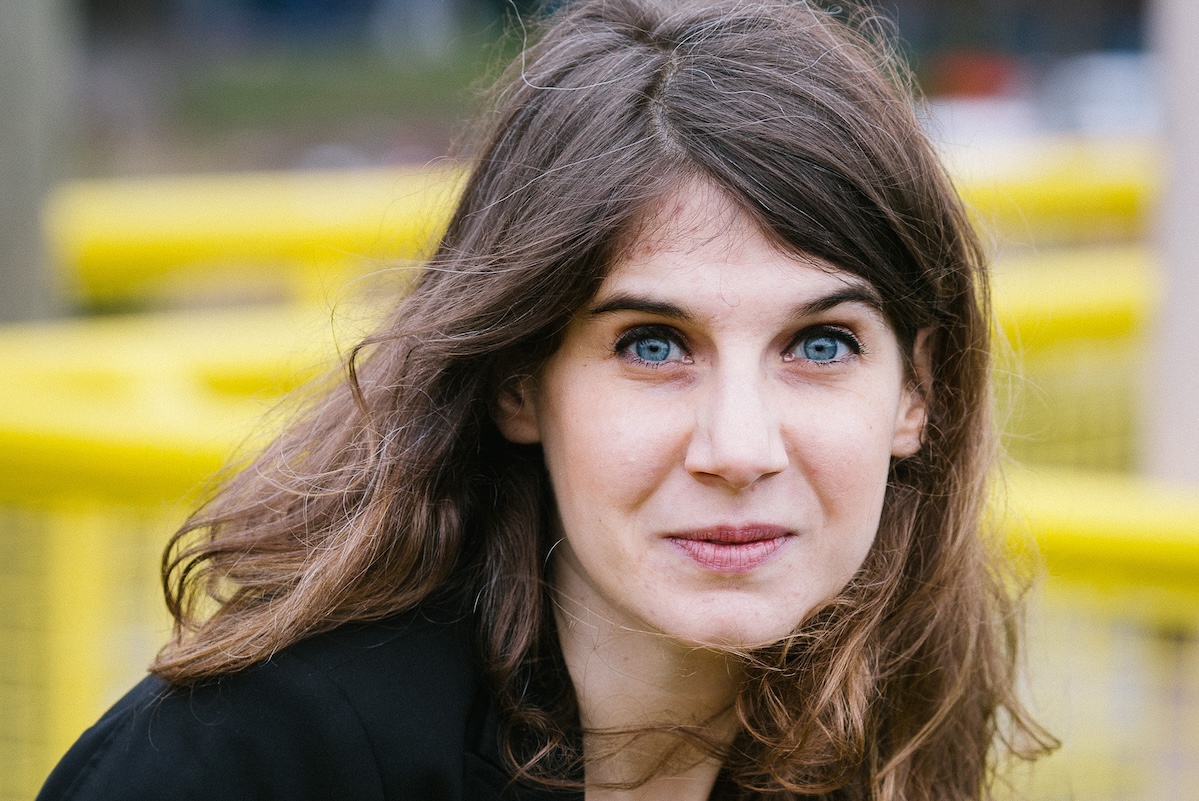
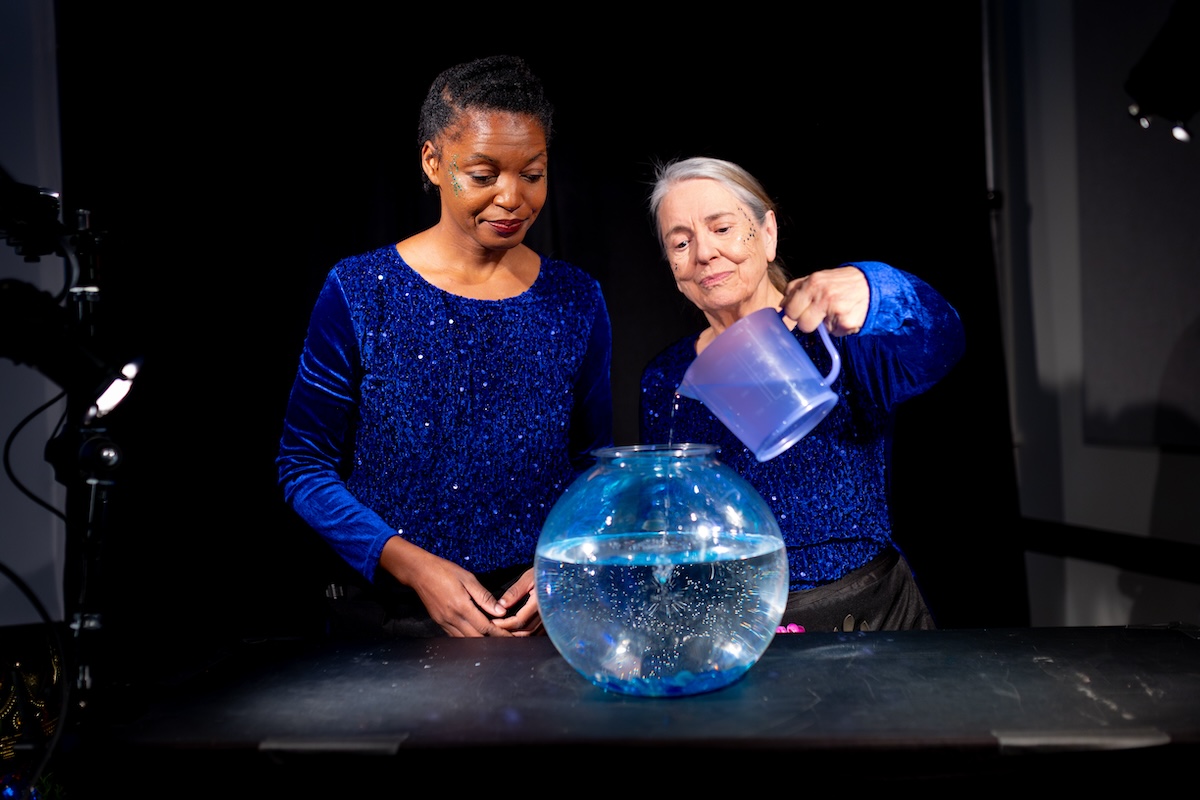
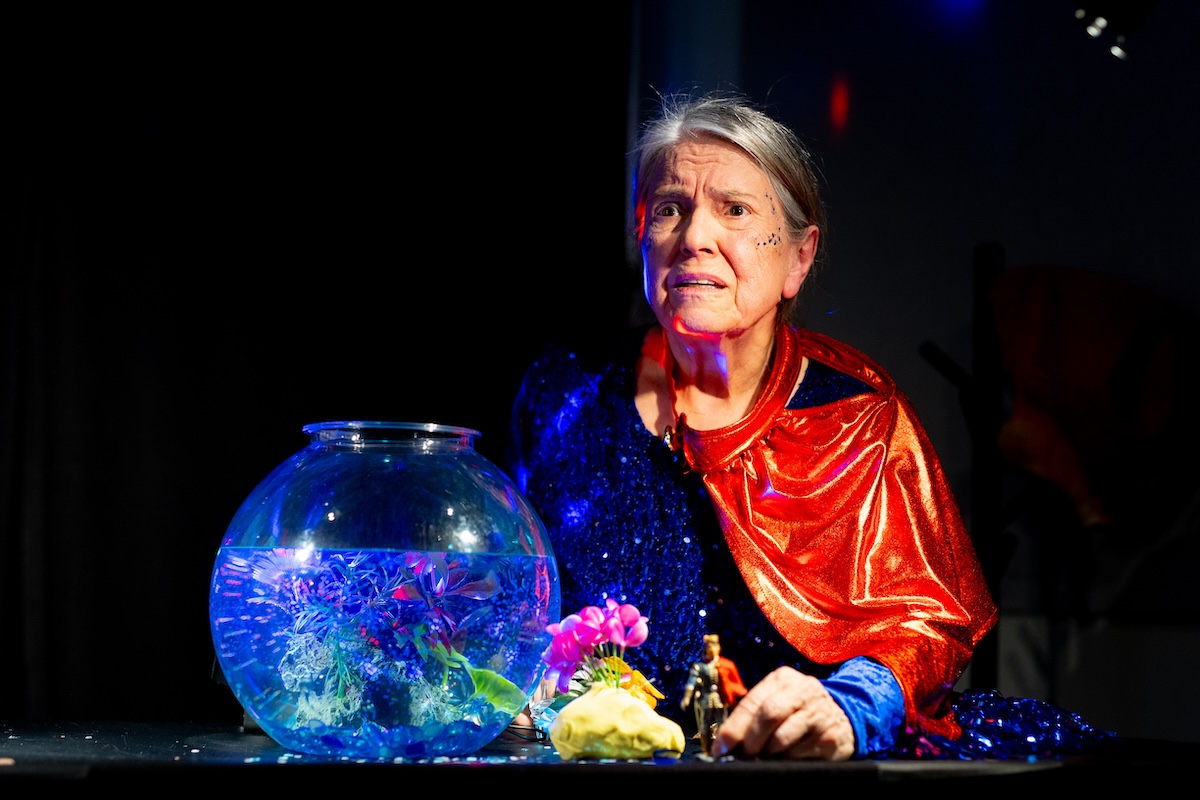
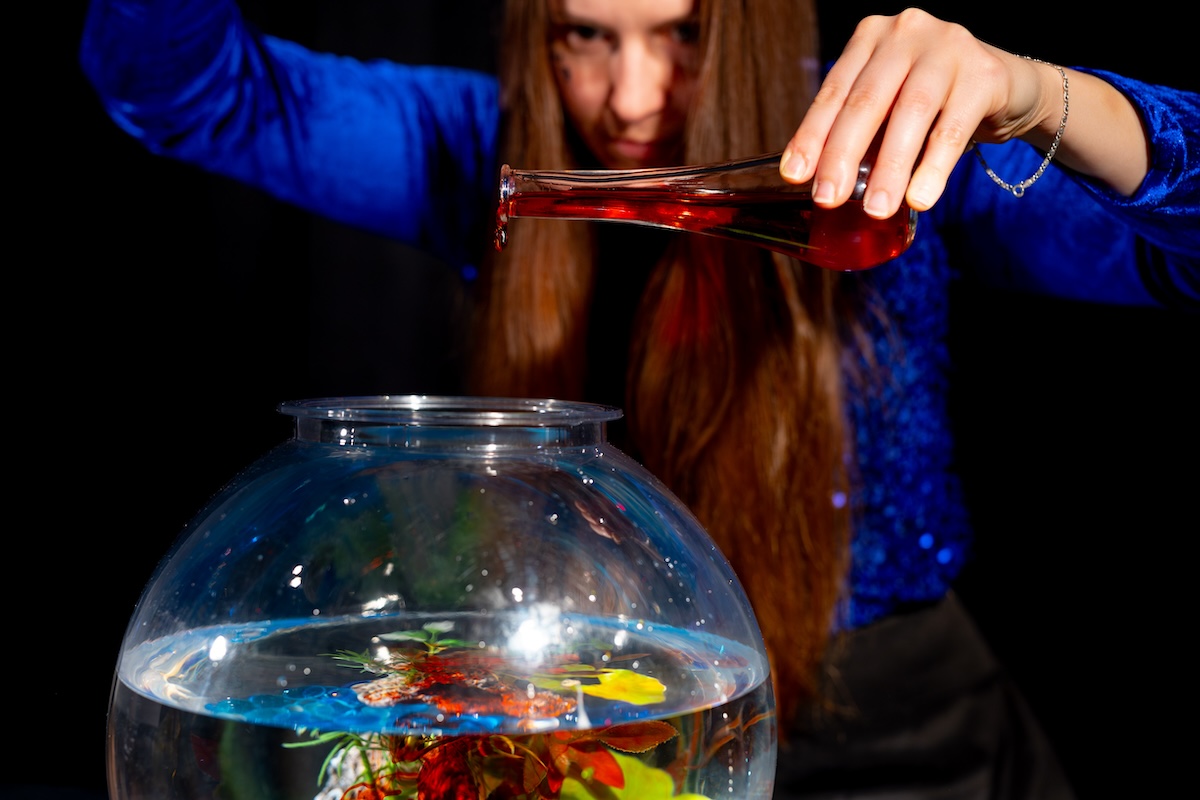
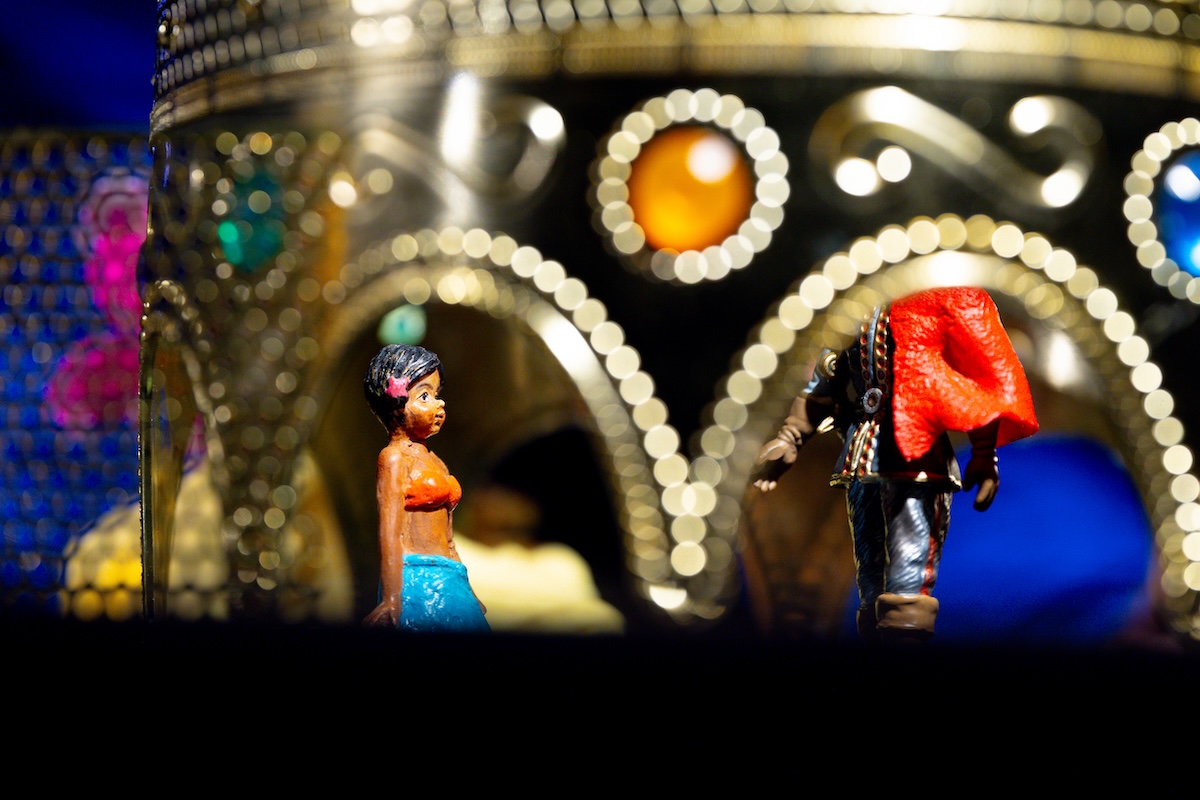
Do you remember the terrifying “Befana”? This witch, drawn from Italian folklore, was at the heart of the play written by Anaïs Pellin for our young audiences in 2024. This season, another tale springs from the playwright’s boundless imagination: Petite Ondine, a joyful and feminist reinterpretation of The Little Mermaid, to be discovered with the whole family on Saturday, April 11! We met with Anaïs Pellin just a few days before opening night.
Why did you choose to revisit the story of “The Little Mermaid”?
Anaïs Pellin: “The Little Mermaid” is a tale that has fascinated me since childhood, when I discovered Andersen’s version, which doesn’t end with a romantic happy ending but rather with a quest for the absolute. The original version of this story is about a melancholic child who exists on the margins of her world. It’s a theme that resonates deeply with me.
There is a certain sense of rebellion in the Little Mermaid character, a desire to break free and step outside her environment. I felt this was an important subject to bring to the stage for our young francophone and francophile audiences in British Columbia, who often come from immigrant families or families who have moved between provinces.
Several different approaches are used in creating this object theatre piece: collaborative devising with performers, video, a cappella singing. What do these mediums bring to the work?
A. P.: In object theatre, we rely heavily on devising and improvisation, since the images created with objects allow us to tell stories without words. We have to find the right balance between what is spoken and what is shown through the object, the metaphor it represents. For the highly visual world of fairy tales, this narrative approach is perfect.
I had long wanted to explore video in object theatre, ever since a lab I participated in with La Pire Espèce, where I met Chloe Ziner from the company Mind of a Snail, who is working on the show as a video and shadow puppetry consultant. In Petite Ondine, the use of the camera allows us to dive into the intimacy of the main character, Petite Ondine, and of Petit Prince. The screen also allows us to reach larger audiences: when touring schools, we sometimes perform for more than 350 students, in gymnasiums or large theatres. Everything that happens on the table with miniature objects gains visibility through video. Shadow play, meanwhile, enhances the magical and fairy-tale quality of the story.
The music of Nina Simone accompanies the piece… can you tell us more about that?
A. P.: During our creative labs with Ghislaine Doté, who plays Petite Ondine, and Chloe Ziner, we spent a lot of time searching for the show’s musical universe. One day, Ghislaine began singing a Nina Simone song. It immediately felt obvious: Nina Simone’s melodies had to be part of our world and find their way into the show, as they perfectly underscore the melancholy of Petite Ondine and the inner rebellion that drives her.
