Panorama des dramaturgies autochtones: 3 questions to Alexandre Cadieux and Dave Jenniss

To emphasize National Day for Truth and Reconciliation, we will present Panorama des dramaturgies autochtones (Panorama of Indigenous Dramaturgies), a performative conference/staged reading codeveloped by professional Indigenous artists and the Centre des auteurs dramatiques (CEAD). We met with Alexandre Cadieux and Dave Jenniss before the performance.
How did the idea for Panorama des dramaturgies autochtones (Panorama of Indigenous Dramaturgies) come about, and what inspired you to create this performative conference?
Alexandre Cadieux: By a strange coincidence, in 2023, we heard about an academic conference in Germany that was bringing together some twenty European and North American specialists to discuss Francophone Indigenous literatures in Canada. Noticing that theatre was not represented, and that only two Indigenous people were among the speakers, we proposed a format to the organizers, which they enthusiastically embraced: somewhere between a conference and a conversation between Indigenous and non-Indigenous people, punctuated by excerpts from plays spanning 40 years of Indigenous theatre-making. Since then, we have periodically revisited this Panorama, adapting it to the different contexts in which we have had the opportunity to present it.
How did you choose the texts featured in Panorama, and what does bringing them together in dialogue enable the audience to discover about Indigenous dramaturgy?
Dave Jenniss: We chose the plays based on the history of French-language theatre in Quebec, working our way through the years and the various cycles. After some thought, we began with Ondinnok (a French-speaking Indigenous theatre company in Montreal), subsequently, we worked to include plays that originated in English-speaking Canada but had been translated into French over the years. The choices were actually quite straightforward. We also considered the theme of writing and the issues surrounding it, and what might give the audience food for thought. I believe we’ve struck a good balance in our dramaturgy, which includes dramas, comedies and poetic worlds.
Panorama is presented in Vancouver the day before the National Truth and Reconciliation Day. What would you like the audience to retain from this performative conference?
D.J.: It’s time to come together and share. That is the aim of this project, to reach out to one another in order to understand our realities and our stories. I have always said that Indigenous art is a powerful vehicle for healing, not only for us, but for everyone who experiences it. The past has been painful, but let’s look ahead, let’s focus on the beauty that lies before us. I hope this day will be a beautiful one, free from guilt.
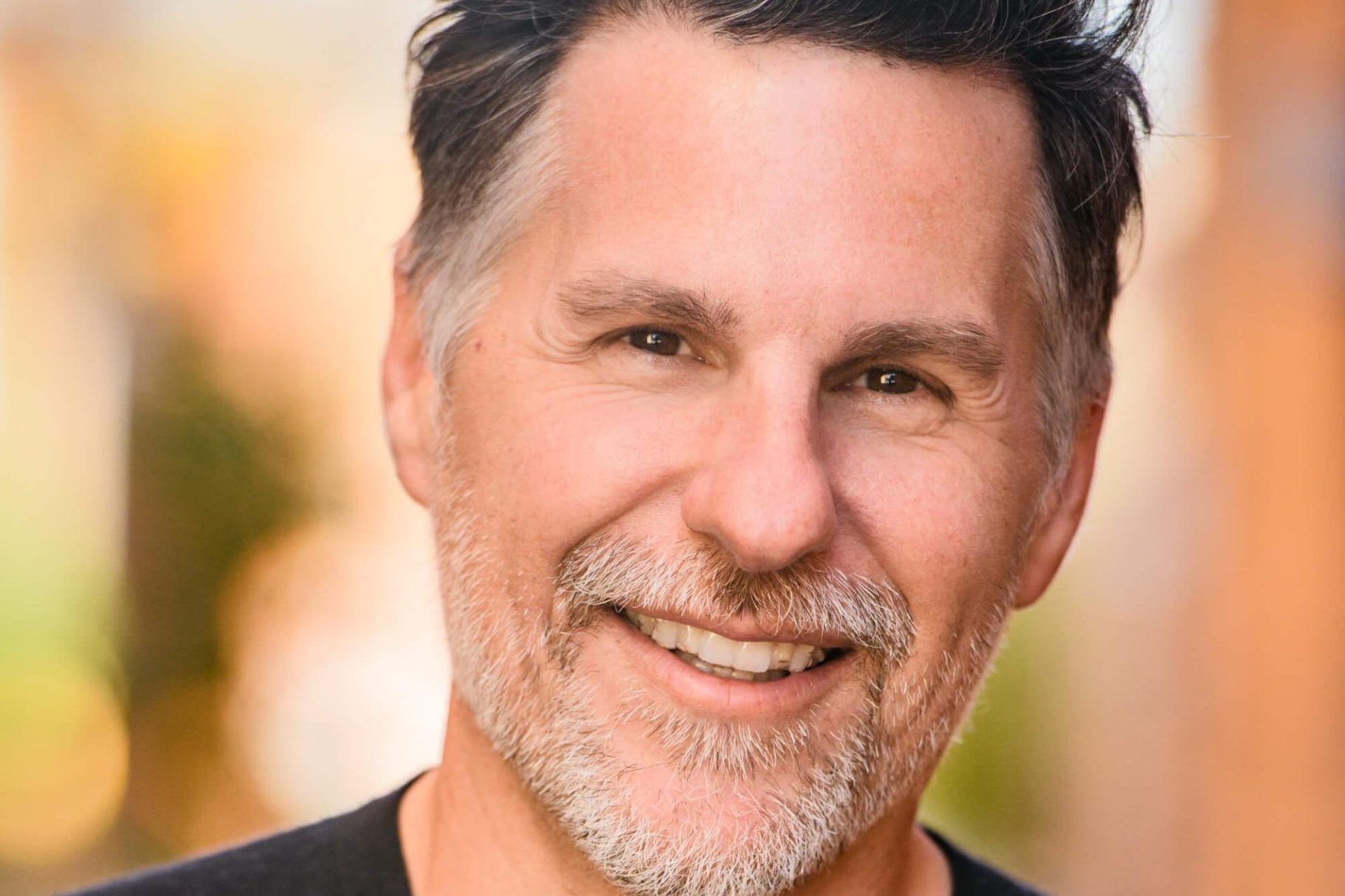
Graphsim : Jolin Masson; Alexandre Cadieux © Cédric Égain; Dave Jenniss © Maxime Côté
Panorama des dramaturgies autochtones, September, 29, 2026 at 7:30pm at Studio 16. Performance in French only without surtitles. Tickets are available on the show’s webpage.
